Czech Suite in D major
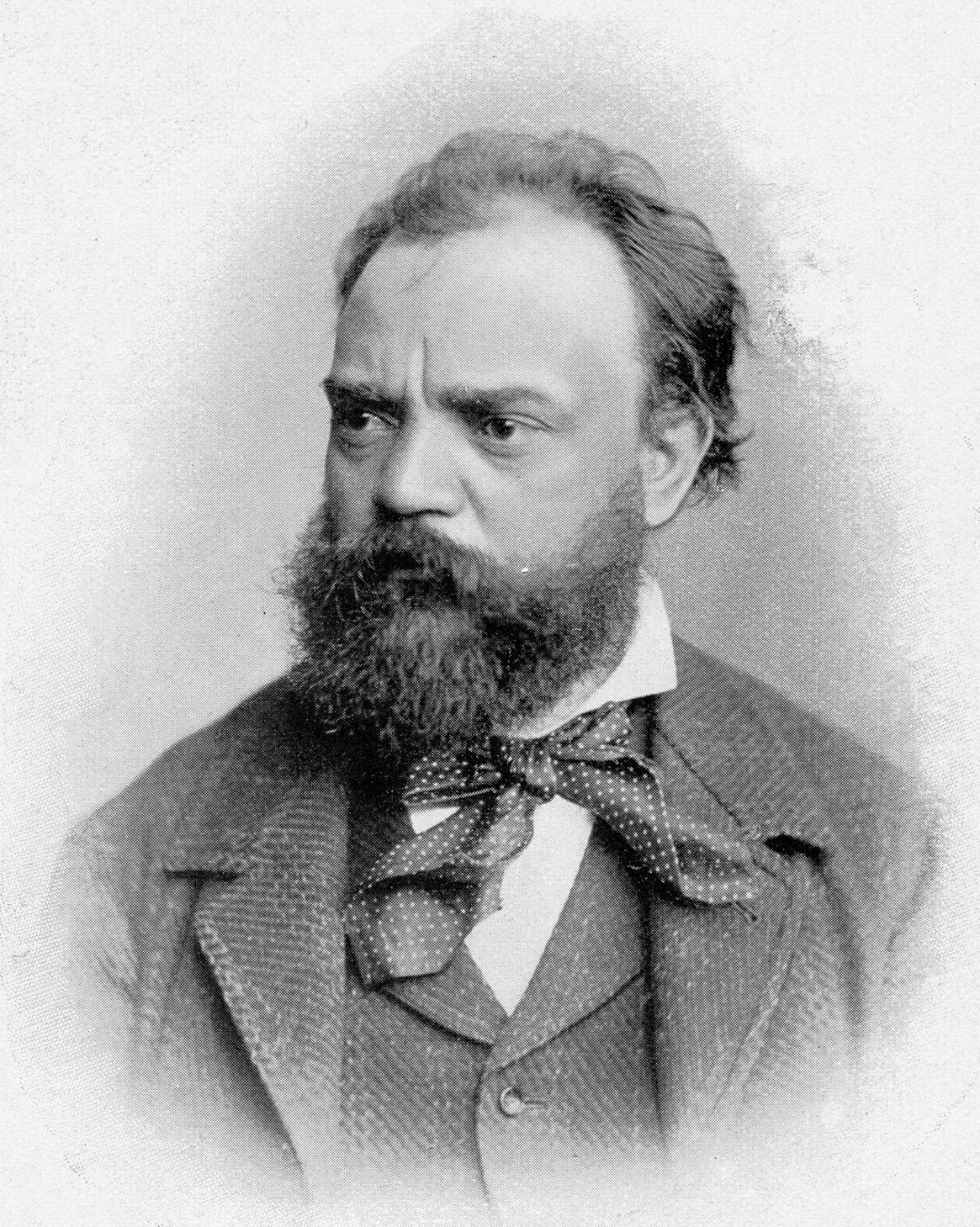
Antonín Dvořák
Dvořák’s Czech Suite is a lively and affectionate musical portrait of his homeland, combining elegant orchestral writing with the rhythms and character of Czech folk dance. Across five contrasting movements, a gentle pastoral opening leads to a graceful polka, a traditional sousedská dance, a lyrical Romance and an exhilarating furiant finale. Composed in 1879, the Suite captures Dvořák’s gift for turning folk-inspired melodies and rhythms into sophisticated concert music, full of warmth, colour and irresistible rhythmic energy.
Programme Notes
When Dvořák composed his Czech Suite in 1879, he was becoming increasingly recognised as a composer who could bring the musical character of his native Bohemia into the concert hall. The Suite grew out of his interest in combining the elegance and balance of the classical suite with the rhythms and expressive qualities of Czech folk music. Although the idea initially had something in common with his serenades, the use of several folk-dance styles led him towards the title Czech Suite.
The five movements form a sequence of contrasting moods rather than a conventional symphonic argument. The opening Preludio (Pastorale) is gentle and unhurried, its flowing melodies creating an atmosphere of peaceful rural life. Beneath the long melodic lines, a simple recurring bass figure gives the music a quiet sense of movement.
The second movement turns to the polka. Rather than presenting a straightforward folk dance, Dvořák transforms its characteristic rhythms into an elegant orchestral movement. Its opening theme, in D minor, has a surprisingly wistful quality before the music becomes brighter and more animated.
The third movement is based on the sousedská, a traditional Czech dance in triple time. Dvořák treats its principal idea with considerable contrapuntal imagination, allowing the musical lines to imitate and respond to one another.
After this comes the Romance, the emotional heart of the Suite. A serene string accompaniment supports a broad, lyrical melody first heard in the flute. The melody is subsequently passed between different instruments, allowing the changing colours of the orchestra to become part of the expression.
The final Furiant provides a dramatic contrast. The furiant was a vigorous Czech dance characterised by shifting accents and infectious rhythmic energy. Dvořák turns these qualities into a brilliant orchestral finale. The movement builds towards an exhilarating conclusion, with trumpet and timpani adding extra weight and brilliance to the final section.
The Czech Suite is therefore both a celebration of Czech musical identity and an example of Dvořák’s remarkable ability to transform folk-inspired material into art music. Its mixture of lyricism, dance rhythms, melodic invention and vivid orchestral colour makes it one of his most immediately appealing orchestral works.
What to listen out for
A musical journey through the Czech countryside The opening Pastorale creates a relaxed, pastoral atmosphere. Listen to the flowing melodies above the simple, repeating bass figure.
The unmistakable rhythm of the polka The second movement brings the characteristic rhythm of the Czech polka into the concert hall. Notice how Dvořák turns a dance melody into something both elegant and expressive.
A dance without a heavy beat The Sousedská is a slower Czech dance in three-time. Listen for the way the instruments imitate and answer one another as the main musical idea moves around the orchestra.
The Romance The fourth movement provides the Suite's most lyrical moment. Listen particularly for the flute's opening melody and the way it is subsequently taken up by other instruments over a calm string accompaniment.
The energy of the furiant The finale is the great burst of energy at the end. Listen for its lively, shifting accents and the increasingly brilliant orchestration. Towards the end, trumpet and timpani join the existing texture, helping propel the music towards its exuberant conclusion.
From folk music to orchestral music Throughout the Suite, Dvořák rarely sounds as though he is simply quoting folk tunes. Instead, he captures their rhythms, melodic shapes and character and makes them part of a sophisticated orchestral language.
Year composed:
1879
Duration:
23 minutes